Cybercrime
-
Cybercriminals Exploit Zoom’s Remote Control Feature to Install Malware
Cybercriminals are exploiting Zoom’s remote control feature to install malware, targeting high-profile individuals through deceptive invitations to participate in podcasts, resulting in significant financial losses.

-
AI-Driven Fraud Threats Challenge Identity Verification in Cybersecurity
As AI-driven technology becomes more prevalent among cybercriminals, firms specializing in identity verification, such as Trulioo and Microblink, face an ongoing battle to counter increasingly convincing synthetic identities and fraudulent documents, emphasizing the need for advanced AI detection methods and multilayered defenses.
-
China’s Mustang Panda Expands Malware Arsenal Amid Surveillance Efforts
Mustang Panda, a state-sponsored Chinese hacking group, has expanded its malware capabilities with four new tools, including keyloggers, as part of its ongoing surveillance efforts. These enhancements highlight a significant escalation in their cyber espionage activities.
-
Data Breach Threatens Corporate Security as Infostealers Surge in 2024
The rise of infostealer malware in 2024 presents a significant threat to corporate cybersecurity, with compromised credentials leading to severe data breaches.
-
Future of CVE Program in Question Amid Funding Concerns
The Common Vulnerabilities and Exposures (CVE) Program is at a crossroads as funding concerns arise, prompting discussions on its future management and governance amidst a backdrop of rising vulnerabilities.
-
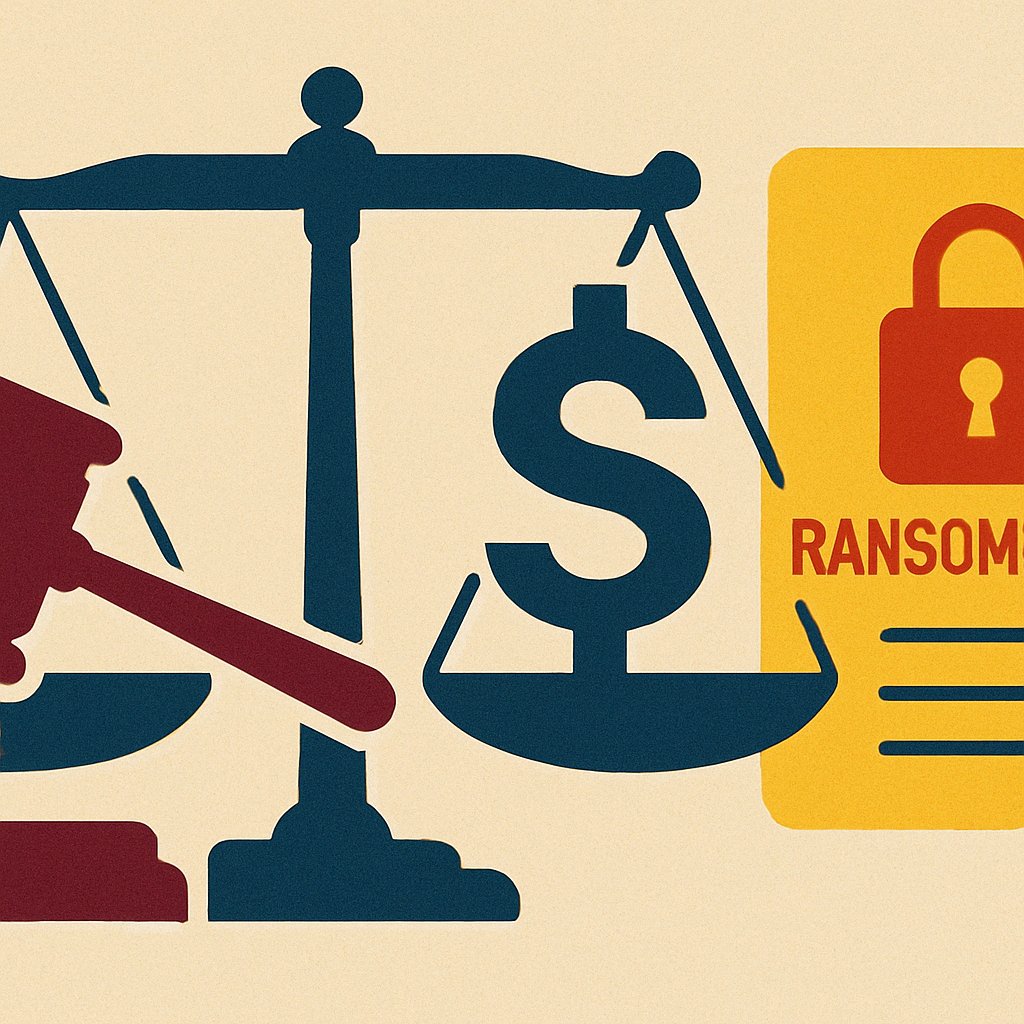
Ransomware Negotiations: A Balancing Act Between Ethics and Survival
Organizations face a challenging dilemma when their data is held hostage by ransomware, grappling with the decision to negotiate or pay ransoms. This article explores the organized nature of ransomware gangs, trends in ransom amounts, ethical considerations, and best practices for effective negotiations and response.
-
China and Russia Enhance Cybersecurity Cooperation Amidst Global Tensions
China and Russia are set to enhance their cybersecurity cooperation, aiming to counter Western digital dominance while fostering a collaborative framework for international cyber governance. The partnership emphasizes shared challenges in the digital realm amid growing tensions in global politics.
-
CISA Identifies Exploited Windows Vulnerability: Urgent Fixes Required
CISA has identified a medium-severity vulnerability in Microsoft Windows, designated CVE-2025-24054, which has come under active exploitation. The vulnerability, tied to the deprecated NTLM authentication protocol, allows unauthorized access to sensitive data. Urgent measures are required to secure systems against ongoing attacks targeting both governmental and private institutions.
-
Redefining Cybersecurity: The Human Experience at the Forefront of Security Design
A recent analysis highlights the importance of human experience in cybersecurity design, emphasizing user-friendly systems that align with operational realities. Experts argue that simplifying security measures can enhance adherence and encourage a culture of awareness within organizations.
-
NIST Updates Privacy Framework to Address AI and Cybersecurity Risks
NIST has revised its Privacy Framework, enhancing alignment with cybersecurity guidelines and addressing emerging AI-related risks. These updates reflect the growing importance of integrated risk management as organizations navigate increasing privacy challenges.