News
-
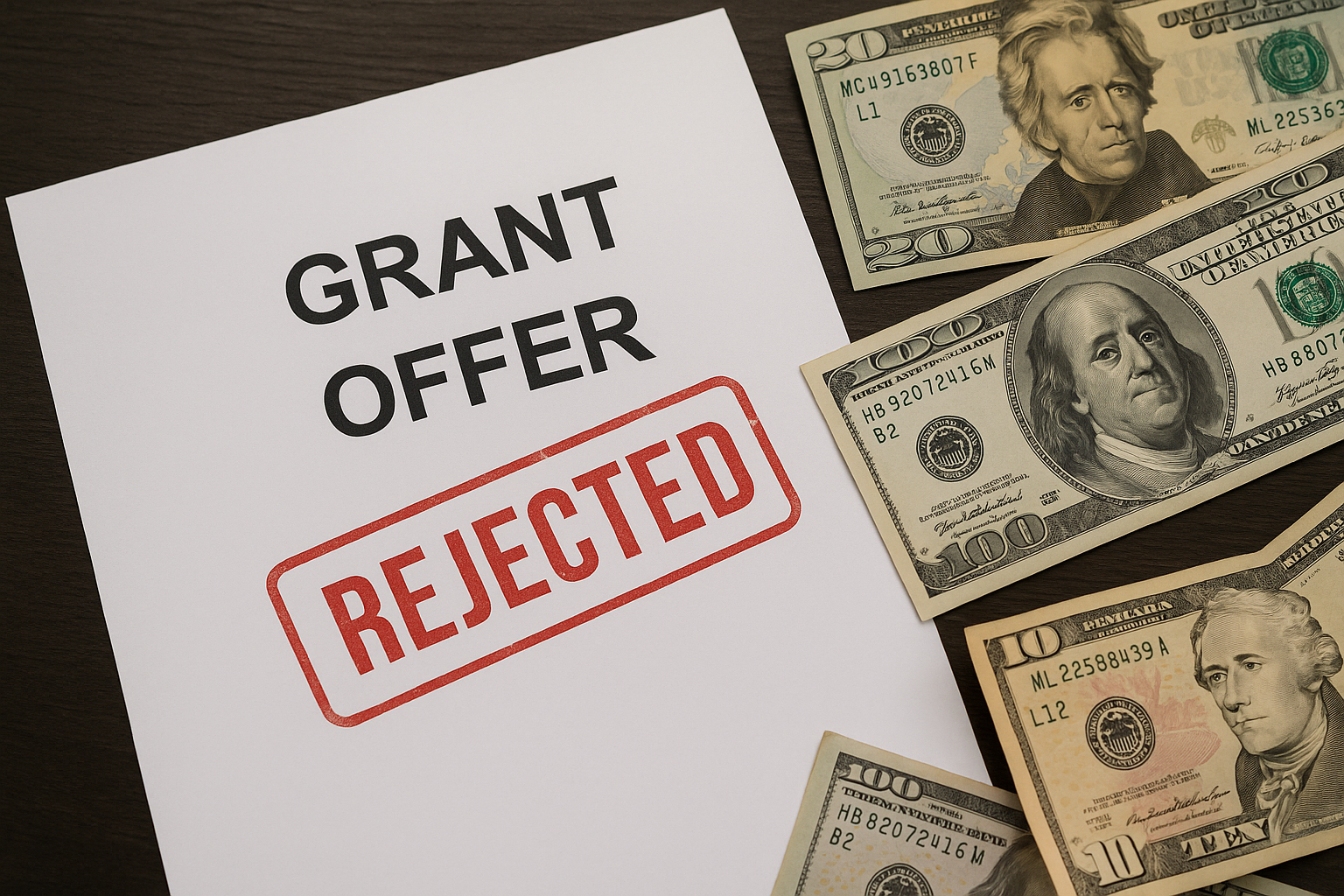
Python Software Foundation withdraws $1.5M NSF proposal over DEI restriction
The Python Software Foundation has withdrawn a $1.5 million NSF grant proposal after the agency attached a clause barring recipients from operating programs that “advance or promote diversity, equity, and inclusion,” a condition the PSF said conflicts with its mission.

-
Canada warns of hacktivist breaches at water, energy and farm facilities
The Canadian Centre for Cyber Security warned that hacktivists have repeatedly breached internet-exposed industrial control systems at water, oil and agricultural sites, altering control settings and prompting guidance to remove direct internet exposure, use multifactor VPNs, and report incidents through the Cyber Centre.
-
Researchers warn of ‘AI-targeted cloaking’ that can poison agentic browsers
Security researchers and hCaptcha warn of an ‘AI-targeted cloaking’ technique that serves different content to human browsers and AI crawlers, potentially poisoning models and enabling misinformation; SPLX and hTAG detail examples and risky agent behaviors.
-
Dentsu says Merkle subsidiary suffered data breach exposing staff and client information
Dentsu disclosed that U.S. subsidiary Merkle suffered a cybersecurity incident that exposed staff and client data, systems were taken offline, data were stolen and impacted individuals are being notified while an investigation continues.
-
High-severity cache-poisoning vulnerability in BIND 9; patches issued after PoC published
CVE-2025-40778 is a high-severity cache-poisoning vulnerability in BIND 9 that can allow remote attackers to inject forged DNS records. Proof-of-concept code is public and fixed versions are available; administrators are urged to apply patches immediately.
-
CISA says two Dassault DELMIA Apriso flaws are being actively exploited
CISA warned that two vulnerabilities in Dassault Systèmes’ DELMIA Apriso are being actively exploited. The flaws, CVE-2025-6205 and CVE-2025-6204, were patched by the vendor in August and have been added to CISA’s KEV catalog; U.S. federal agencies must remediate under BOD 22-01 by Nov. 18.
-
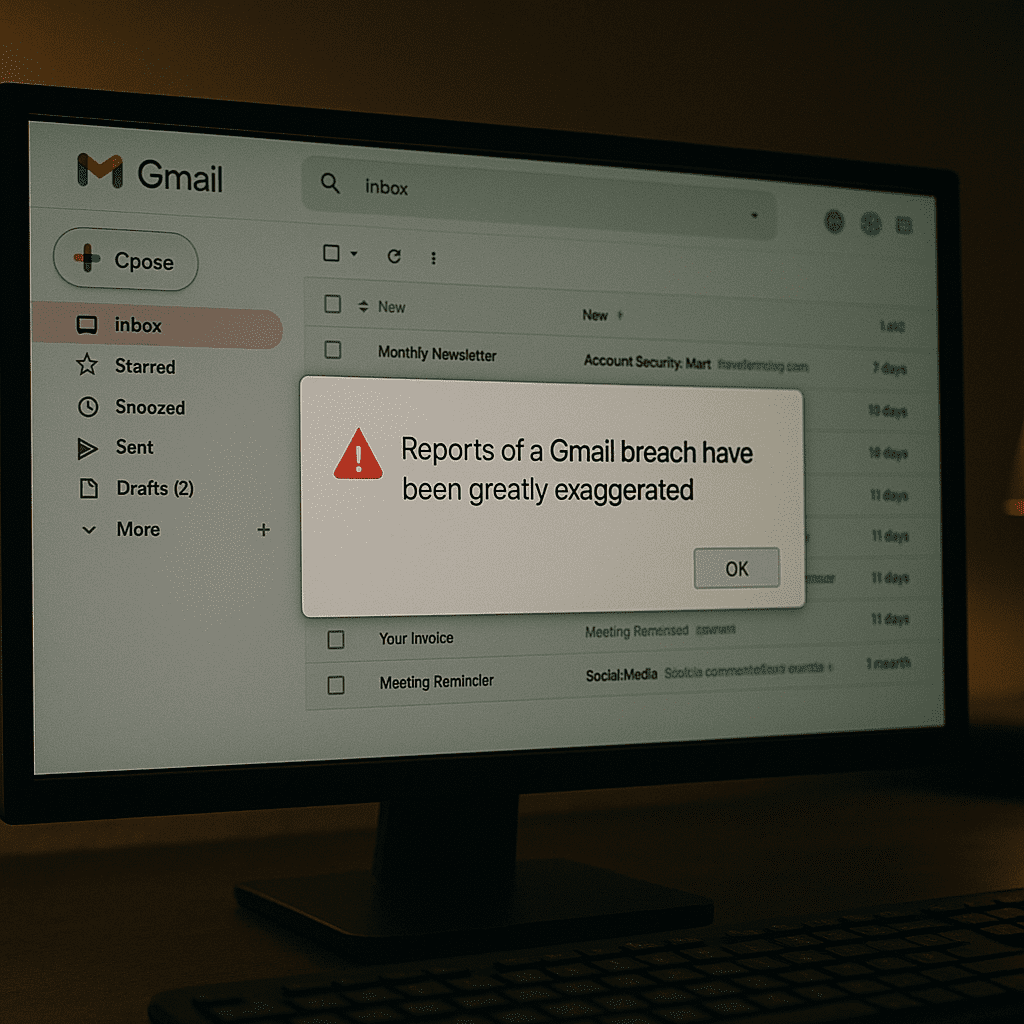
Google denies reports that 183 million Gmail accounts were breached
Google said reports that 183 million Gmail accounts were breached are false; the dataset cited appears to be an aggregation of infostealer-sourced credentials shared with Have I Been Pwned, and users are advised to enable two-step verification, use passkeys and change exposed passwords.
-
SideWinder adopts ClickOnce-based infection chain in South Asia espionage campaign
Researchers say the SideWinder group used a new ClickOnce‑based infection chain alongside Word exploits in spear‑phishing waves from March to September 2025 to deliver ModuleInstaller and the StealerBot implant against diplomatic and government targets in South Asia.
-
QNAP: Windows NetBak PC Agent affected by critical ASP.NET Core flaw
QNAP warned that its NetBak PC Agent for Windows is impacted by CVE-2025-55315, a critical ASP.NET Core vulnerability in the Kestrel web server that can enable credential hijacking or request-smuggling attacks, and urged users to reinstall the agent or install the latest ASP.NET Core runtime.