Risk
-
Nikkei says Slack breach exposed personal information of more than 17,000 users
Nikkei said a Slack compromise exposed names, email addresses and chat histories for 17,368 people after attackers used credentials stolen from a malware-infected employee computer; the publisher voluntarily notified Japan’s data protection regulator and said no source-related material was affected.

-
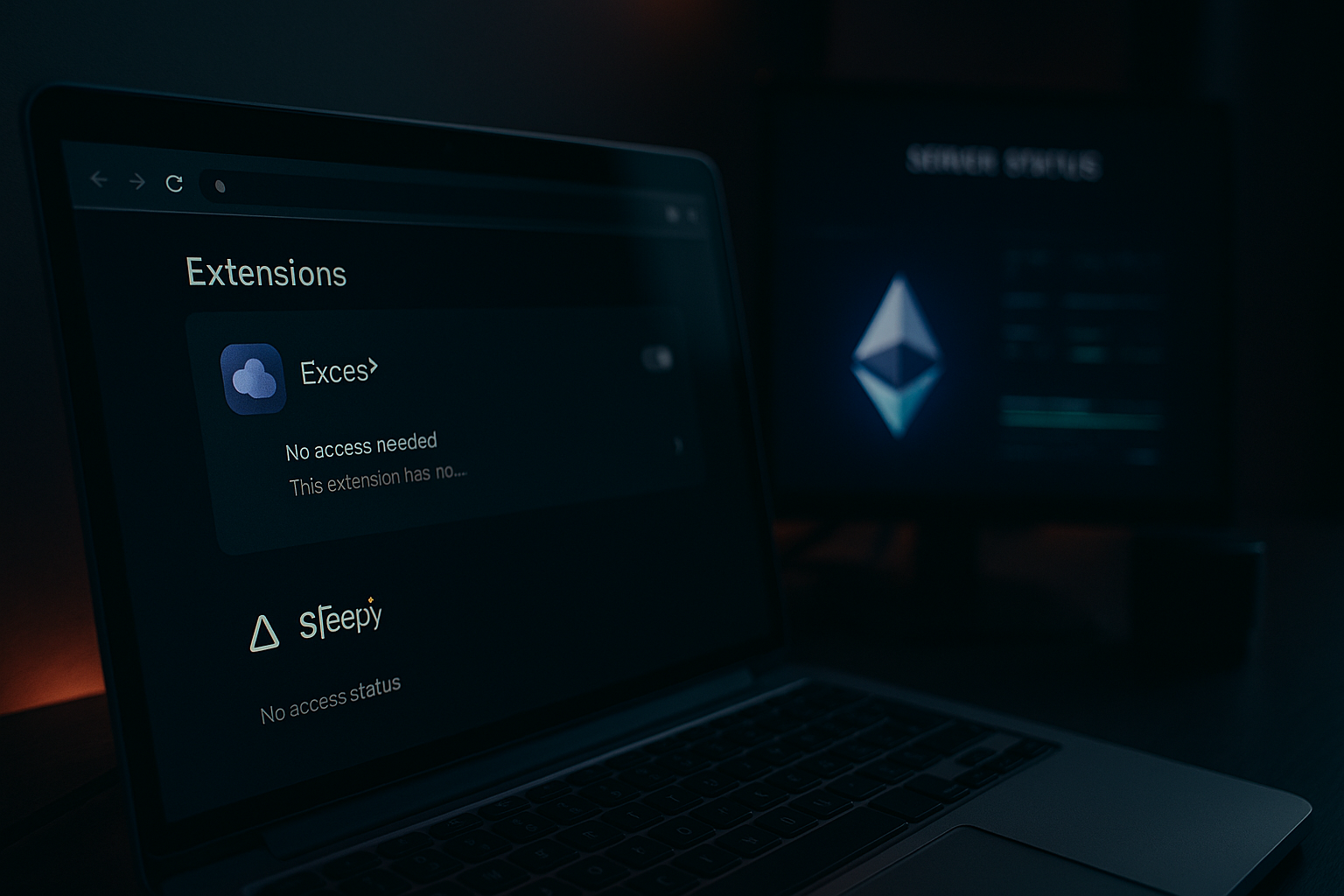
Malicious Open VSX extension delivers SleepyDuck RAT and uses Ethereum contract for fallback control
Researchers warned that a malicious Open VSX extension, juan-bianco.solidity-vlang, installs a SleepyDuck remote access trojan that uses an Ethereum smart contract and a fallback RPC mechanism to update its command-and-control details.
-
Cybercriminals use RMM tools to target trucking firms, steal freight: Proofpoint
Proofpoint researchers say cybercriminals are compromising trucking and logistics firms with legitimate remote monitoring and management tools to harvest credentials, gain persistent access and fraudulently bid on or divert real shipments, with food and beverage cargo a frequent target.
-
Europol urges coordinated EU response as caller ID spoofing drives phone and text fraud
Europol says caller ID spoofing is driving much of Europe’s phone and text fraud, estimating EUR 850 million in annual losses and calling for EU-wide technical standards, an international traceback system and aligned legal frameworks to improve cross-border investigations.
-
Australia warns of ongoing BADCANDY attacks on unpatched Cisco IOS XE devices
The Australian Signals Directorate warned of ongoing attacks using a Lua-based web shell called BADCANDY that exploits CVE-2023-20198 in unpatched Cisco IOS XE devices, estimated to have affected about 400 devices in Australia since July 2025 and urging patching and hardening measures.
-
Hezi Rash hacktivist group tied to hundreds of DDoS attacks, Check Point reports
Hezi Rash, a Kurdish nationalist hacktivist group founded in 2023, has been linked by Check Point to about 350 DDoS attacks between August and October 2025 targeting sites in Japan, Turkey, Israel, Iran, Iraq and Germany; analysts say the campaigns are ideologically driven and focus on disruption.
-
Ribbon Communications says nation-state hackers breached its network; initial access traced to December 2024
Ribbon Communications disclosed a nation-state-associated breach of its IT network, detected in September 2025 with preliminary evidence of initial access in December 2024. The company is working with outside cybersecurity experts and federal law enforcement, has found customer files on two laptops outside its main network, and said it has not found evidence of theft…
-
Open-source C2 Framework AdaptixC2 Draws Use by Groups Linked to Russian Ransomware
AdaptixC2, an open-source command-and-control framework published on GitHub, has been adopted by multiple threat actors, including groups linked to Russian ransomware, prompting analysis from Palo Alto Networks Unit 42 and an investigation by Silent Push into the project’s author and Telegram activity.
-
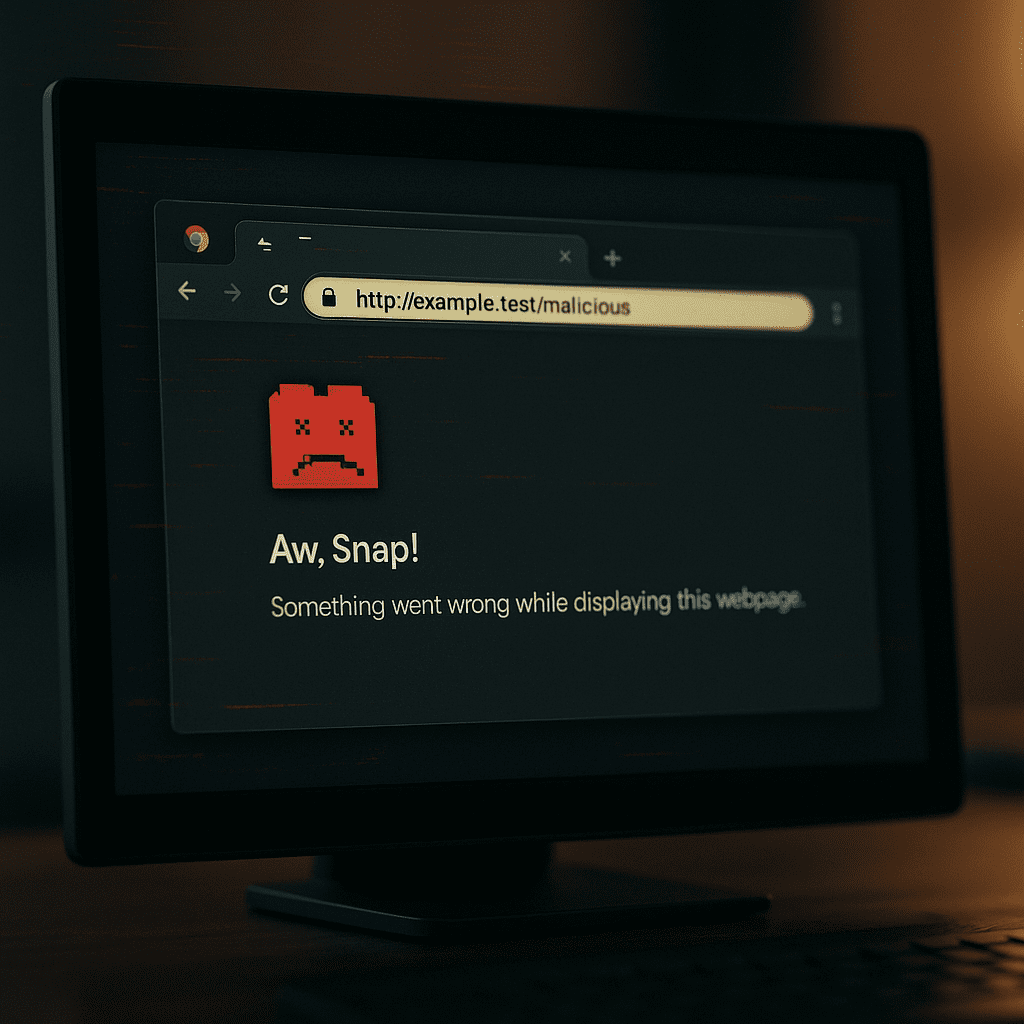
Researcher discloses ‘Brash’ flaw that can crash Chromium-based browsers by spamming tab title
A researcher has published details of ‘Brash’, a vulnerability in Chromium’s Blink engine that can crash Chromium-based browsers by rapidly updating the document.title field, causing massive DOM mutations and UI thread saturation.
-
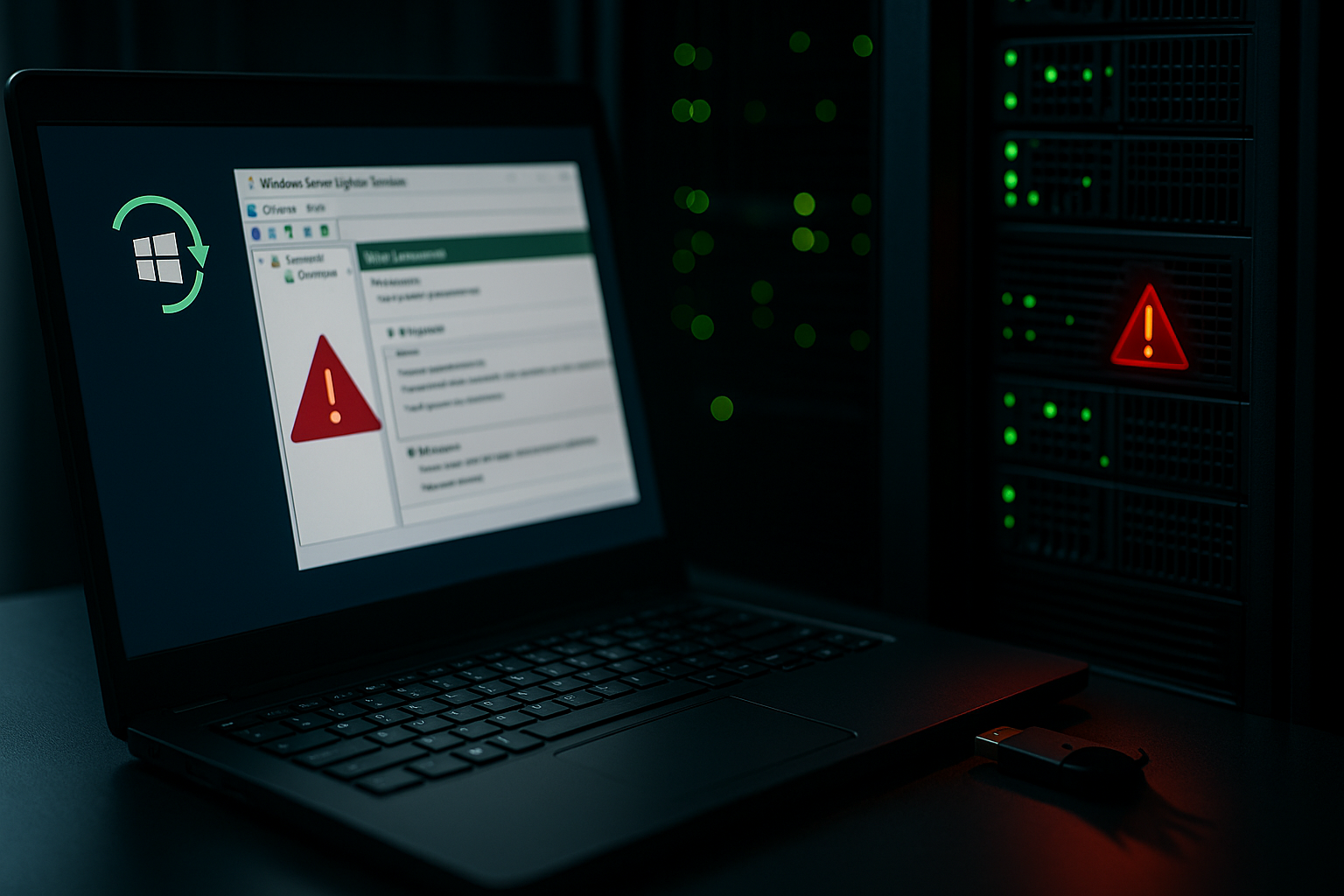
Attackers exploit patched WSUS flaw to deploy infostealer on unpatched Windows servers
Attackers have been observed exploiting CVE-2025-59287 in WSUS to deploy an infostealer on unpatched Windows servers, exfiltrate data to webhook.site URLs and use follow-up tooling including Velociraptor and a UPX-packed Skuld Stealer; agencies and vendors are urging immediate patching and investigation.