Risk
-
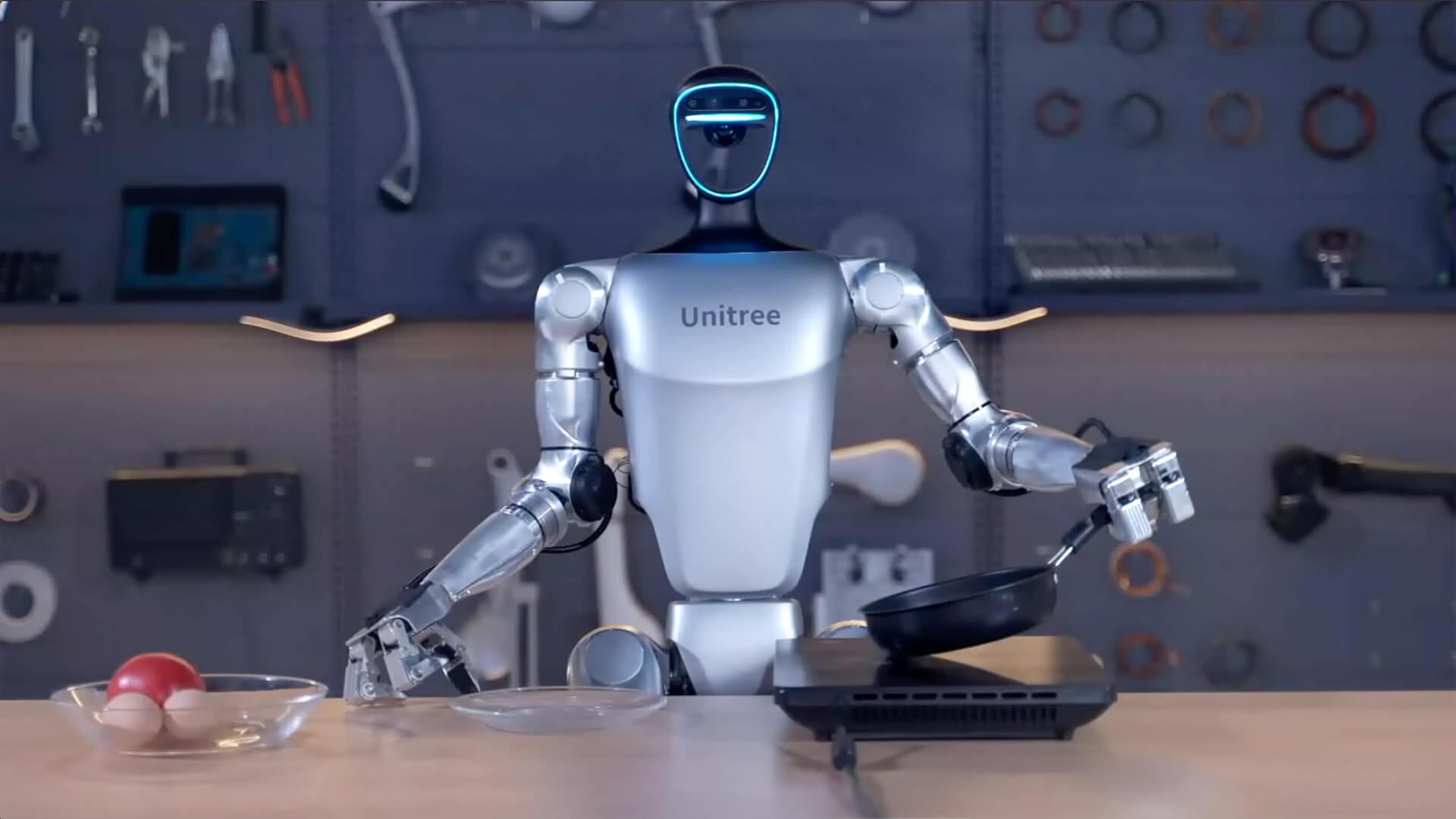
Researchers disclose root takeover vulnerability in Unitree robots
Security researchers published a public exploit called UniPwn that they say allows root takeover of multiple Unitree robot models via a Bluetooth Low Energy Wi‑Fi setup interface, warning the flaw could enable wormable infections and urging short‑term mitigations such as disabling BLE and using isolated networks.

-
Vietnamese hackers use fake copyright notices to steal cryptocurrency, researchers say
A Vietnamese hacking group known as Lone None has launched a multi-language scam to steal personal and financial data, with a focus on cryptocurrency, using fake copyright takedown notices and malware delivered through DLL side-loading, according to Cofense Intelligence.
-
Critical CVSS-10 Flaw in Fortra GoAnywhere MFT Prompts Urgent Patch and Contingency Measures
A CVSS-10 vulnerability in Fortra's GoAnywhere MFT (CVE-2025-10035) threatens enterprise data transfers. The deserialization flaw in the License Servlet could enable remote code execution if exploited. Patches are available, and experts warn that thousands of internet-facing deployments may be at immediate risk unless mitigations are applied.
-
China-linked BRICKSTORM attackers conduct long-running espionage campaign against U.S. tech firms, Mandiant says
Mandiant identifies BRICKSTORM, a China-linked threat group running a long-running espionage campaign against U.S. tech firms, using a Go-based malware to target Linux and BSD systems, with a focus on SaaS providers and other high-value targets, and urges vendors to adopt zero-trust architectures.
-
Malicious Rust crates impersonating fast_log steal Solana and Ethereum wallet keys, researchers say
Cybersecurity researchers say two malicious Rust crates impersonating the fast_log logging library were used to harvest Solana and Ethereum wallet keys from source code, with Crates.io removing the packages and preserving logs for analysis after responsible disclosure.
-
GitHub outlines changes to harden npm after self-replicating worm incident
GitHub said a self-replicating “Shai-Hulud” worm compromised maintainer accounts and injected malicious post-install scripts into npm packages, and outlined changes including required 2FA, short-lived granular tokens and trusted publishing to harden npm’s supply chain.
-
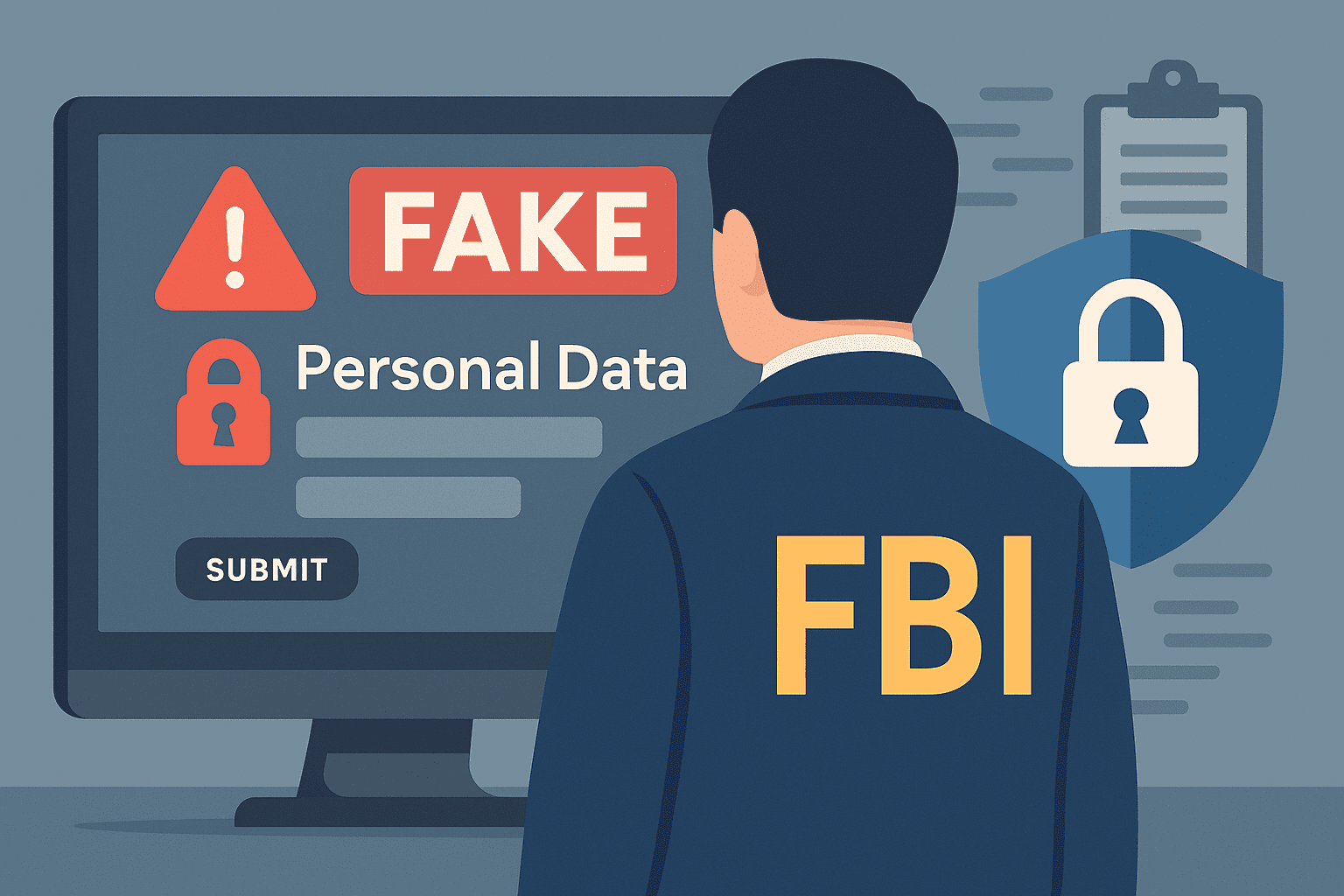
FBI Warns of Fake IC3 Websites Designed to Steal Personal Data
The FBI warning highlights that criminals are creating spoofed IC3 websites to harvest personal data, noting more than 100 impersonation reports since late 2023 and urging direct access to IC3.gov and vigilance against look-alike domains and scam communications.
-
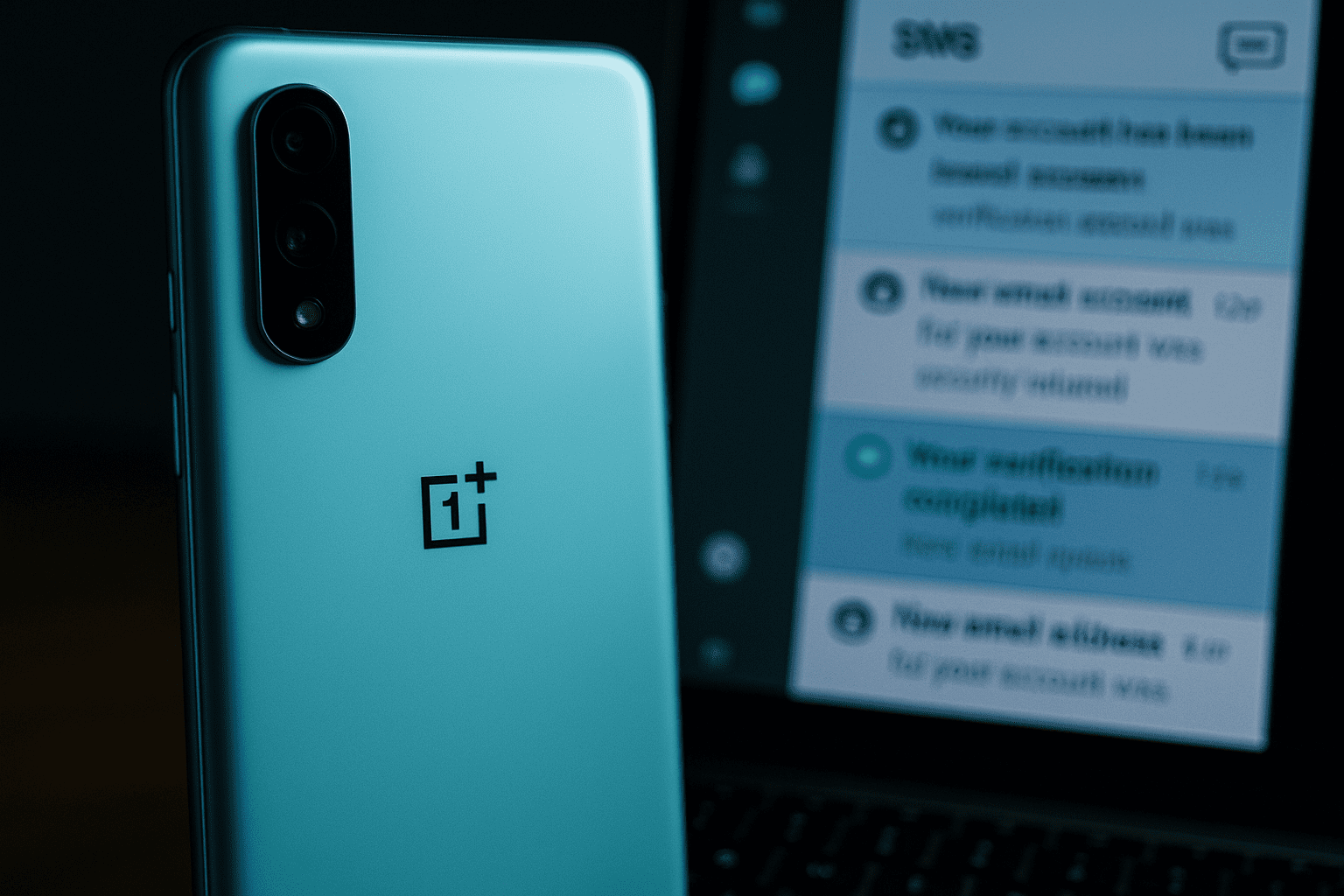
Unpatched OnePlus flaw lets rogue apps access SMS data, Rapid7 says
Rapid7 has disclosed an unpatched vulnerability in OnePlus OxygenOS that could allow rogue apps to access SMS data and metadata without user interaction, due to exposed content providers in the Telephony package. The flaw, CVE-2025-10184, affects OxygenOS 12 through 15 and remains unpatched as OnePlus investigates; a PoC exploit has been published.
-
State-backed hackers exploited Libraesva ESG flaw; vendor issues urgent patch
Libraesva disclosed a state-sponsored exploitation of a vulnerability in its Email Security Gateway (ESG), tracked as CVE-2025-59689. The flaw, a command injection triggered by specially crafted compressed attachments, affects ESG versions 4.5 through 5.5.x before 5.5.7. Patches are available, and end-of-support for older builds mandates manual upgrades.
-
Boyd Gaming Discloses Data Breach After Cyberattack; Employee Data Among Those Compromised
Boyd Gaming disclosed a cyberattack in a Form 8-K, stating attackers gained access to its systems and stole employee data and data belonging to a limited number of other individuals. The company says operations and financial condition are not affected, has engaged external cybersecurity experts and notified law enforcement, and no group has claimed responsibility.