Vendors
-
Researchers detail use of Tuoni C2 in attack on U.S. real-estate firm
Researchers said attackers used the Tuoni C2 framework in a mid-October 2025 intrusion attempt against a U.S. real-estate firm, employing social engineering, PowerShell downloaders, BMP steganography and in-memory execution; the campaign was detected and blocked.

-
Cloudflare investigates global outage causing widespread 500 errors
Cloudflare is investigating a global outage that caused widespread 500 errors and dashboard/API failures; multiple European nodes and tens of thousands of user reports were affected while Cloudflare works on mitigation and some services show signs of recovery.
-
Google issues Chrome security update for actively exploited V8 bug
Google released Chrome updates to fix two V8 type confusion vulnerabilities, including CVE-2025-13223 which is being actively exploited; users should update to the listed Chrome versions and other Chromium-based browser vendors should apply fixes when available.
-
Malicious npm packages use Adspect redirects and fingerprinting to cloak crypto scams
Seven npm packages published under the name ‘dino_reborn’ used Adspect redirects and browser fingerprinting to route real visitors to fake cryptocurrency CAPTCHA scams while showing decoys to likely researchers, Socket researchers found.
-
Logitech discloses data breach tied to zero-day; Cl0p claims responsibility
Logitech disclosed a data breach in which a zero-day in a third-party platform was exploited and certain internal IT data was copied; Cl0p has claimed responsibility and Logitech said it does not expect the incident to materially affect its business.
-
Eurofiber reports data stolen in cyberattack on its French business
Eurofiber said a November 13 cyberattack on its French business exploited a ticketing-platform vulnerability and resulted in stolen data; the company said banking information was not affected, the flaw is patched, and it has notified customers and French authorities.
-
AIPAC discloses data breach affecting 810 people, offers identity protection
AIPAC reported a criminal cyberattack in a November 2025 filing, saying files were accessed between October 2024 and February 2025 and that 810 people were affected; the organisation notified individuals, offered 12 months of identity protection, and said it implemented new security controls.
-
Researchers find widespread remote code execution risk in AI inference engines from unsafe ZMQ and pickle use
Researchers found a recurring insecure pattern — pickle deserialization over unauthenticated ZeroMQ sockets — in multiple AI inference frameworks, creating remote code execution risks across projects including vLLM, NVIDIA TensorRT-LLM, Modular Max Server and SGLang; related research also showed browser and IDE injection risks in Cursor.
-
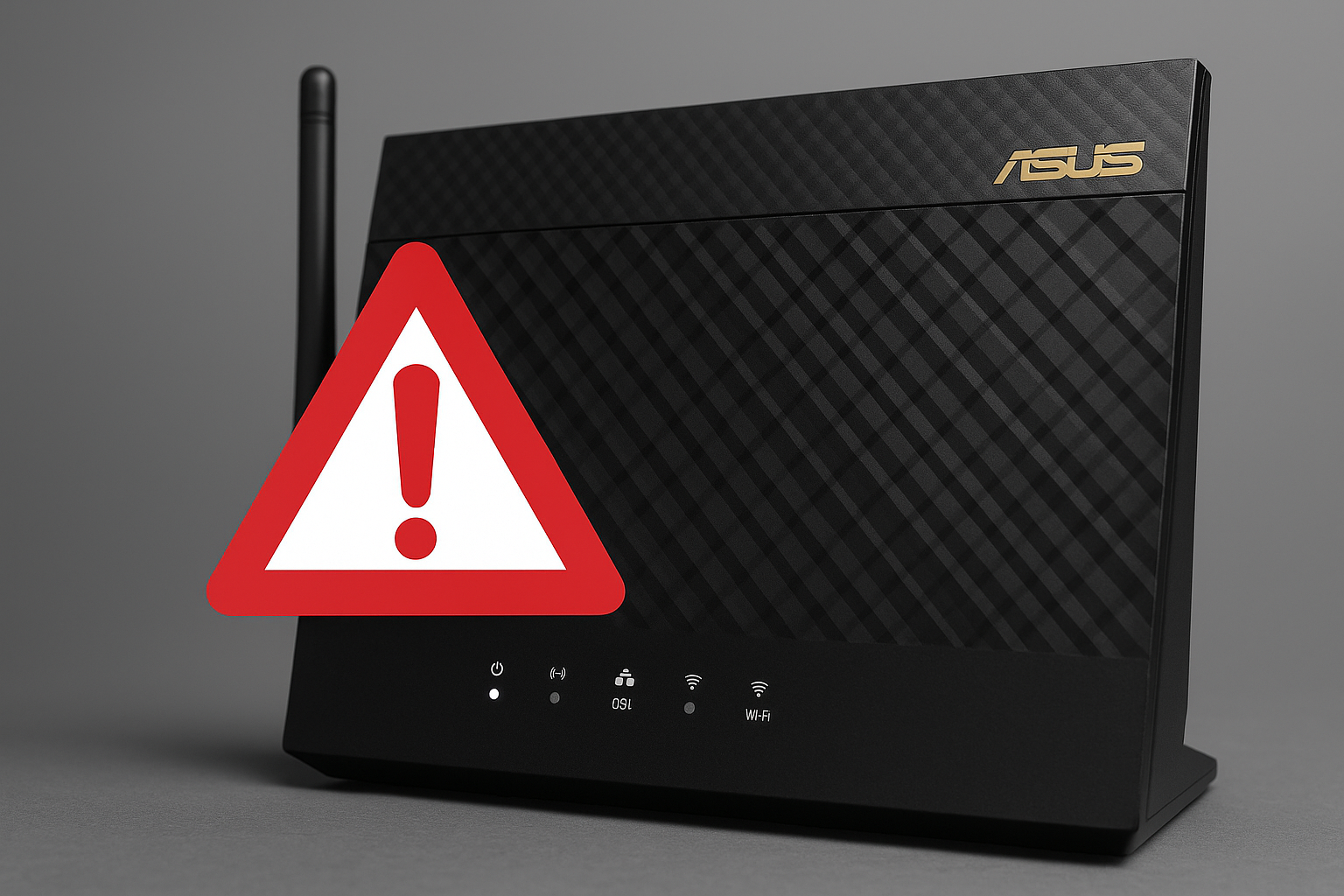
ASUS issues firmware to fix critical authentication bypass in DSL routers
ASUS released firmware version 1.1.2.3_1010 to fix a critical authentication bypass (CVE-2025-59367) impacting DSL-AC51, DSL-N16 and DSL-AC750 routers and urged users to install the update or follow mitigation steps to block internet-accessible services.
-
Anthropic says Chinese state-sponsored group used Claude Code AI in espionage campaign
Anthropic reported that a Chinese state-sponsored group used its Claude Code AI and a Model Context Protocol to orchestrate attempted intrusions against about 30 high-profile organizations in mid-September, succeeding in a small number of cases; Anthropic banned accounts, notified victims and said AI hallucinations limited full autonomy.