Vendors
-
GitHub outlines changes to harden npm after self-replicating worm incident
GitHub said a self-replicating “Shai-Hulud” worm compromised maintainer accounts and injected malicious post-install scripts into npm packages, and outlined changes including required 2FA, short-lived granular tokens and trusted publishing to harden npm’s supply chain.

-
Unpatched OnePlus flaw lets rogue apps access SMS data, Rapid7 says
Rapid7 has disclosed an unpatched vulnerability in OnePlus OxygenOS that could allow rogue apps to access SMS data and metadata without user interaction, due to exposed content providers in the Telephony package. The flaw, CVE-2025-10184, affects OxygenOS 12 through 15 and remains unpatched as OnePlus investigates; a PoC exploit has been published.
-
State-backed hackers exploited Libraesva ESG flaw; vendor issues urgent patch
Libraesva disclosed a state-sponsored exploitation of a vulnerability in its Email Security Gateway (ESG), tracked as CVE-2025-59689. The flaw, a command injection triggered by specially crafted compressed attachments, affects ESG versions 4.5 through 5.5.x before 5.5.7. Patches are available, and end-of-support for older builds mandates manual upgrades.
-
Stellantis confirms data breach via third-party provider exposing customer emails
Stellantis disclosed that attackers breached a North American third-party customer-service partner, exposing only customer names and email addresses. The company launched an investigation, notified law enforcement, and urged affected customers to watch for phishing, as the auto maker navigates broader industry disruption linked to a separate JLR cyberattack.
-
Fortra patches critical GoAnywhere MFT flaw; admins urged to restrict internet exposure of Admin Console
Fortra has issued patches for a critical GoAnywhere MFT vulnerability (CVE-2025-10035) that could enable remote command injection via deserialization. The company urges administrators to secure Admin Console access and apply the latest updates, as Shadowserver tracks hundreds of GoAnywhere instances and exposure continues to be a concern.
-
CountLoader: New Russian-linked malware loader broadens post-exploitation toolkit, researchers warn
Cybersecurity researchers have identified CountLoader, a new malware loader used by Russian ransomware groups to deliver post-exploitation tools such as Cobalt Strike, AdaptixC2, and the PureHVNC RAT. The loader, observed in variants across .NET, PowerShell, and JavaScript, targets Ukrainian users with PDF phishing lures and features a BrowserVenom proxy capability, multiple download/execution methods, and a…
-
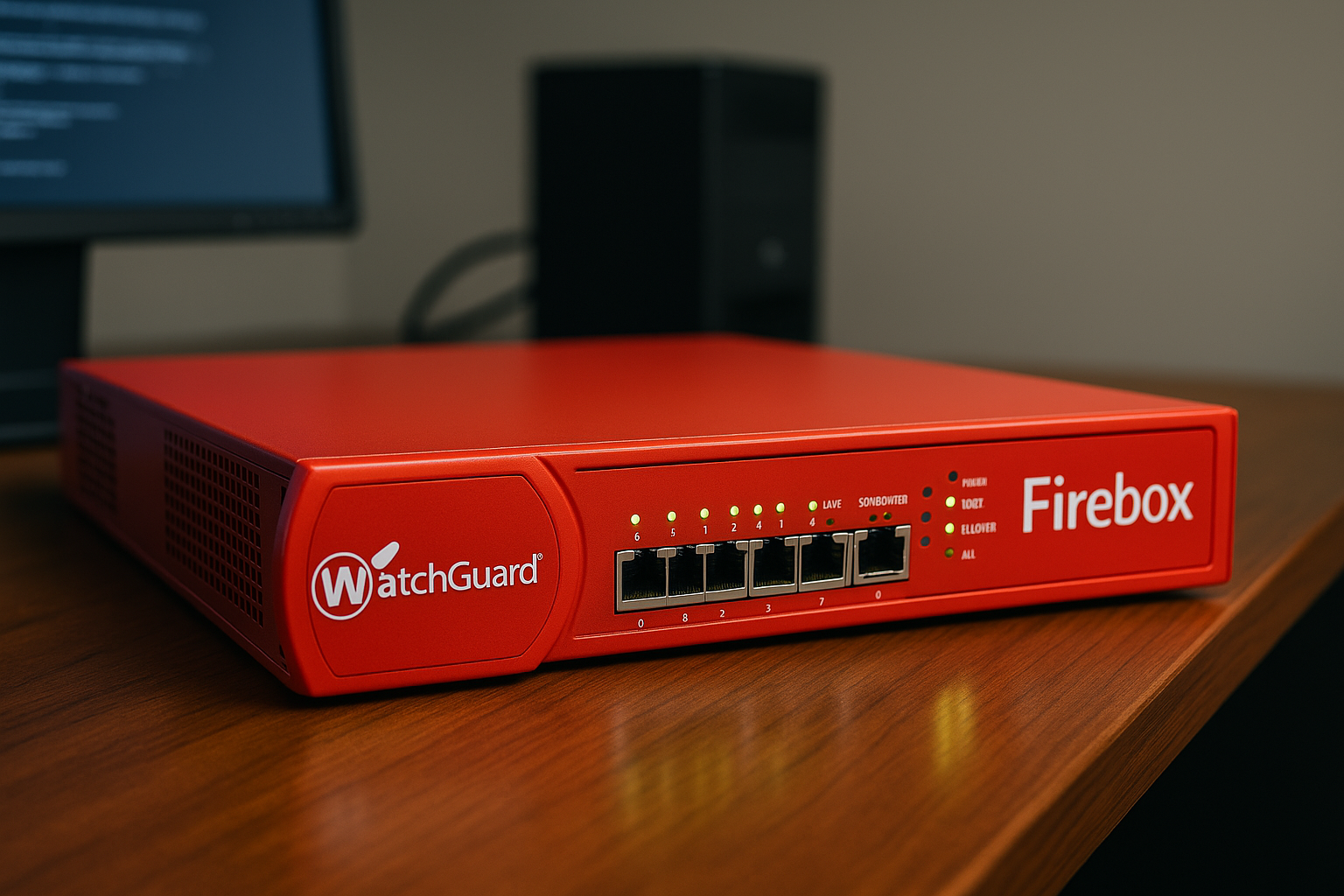
WatchGuard patches critical remote-code vulnerability in Firebox firewalls (CVE-2025-9242)
WatchGuard issued patches for a critical remote-code execution flaw in Firebox firewalls (CVE-2025-9242) caused by an out-of-bounds write in the Fireware OS iked process, affecting several Fireware versions; admins are urged to patch or apply temporary mitigations.
-
Critical Chaos Mesh Flaws Could Allow Kubernetes Cluster Takeover; Patch Released
Cybersecurity researchers warned of four critical vulnerabilities in Chaos Mesh that could enable an in-cluster attacker to seize control of Kubernetes clusters, potentially exfiltrating data or disrupting services. Chaos Mesh issued a patch with version 2.7.3 and urges users to update or apply mitigations to limit exposure.
-
Self-propagating npm supply-chain attack hits at least 187 packages in ‘Shai-Hulud’ worm
Security researchers warn of a self-propagating supply-chain attack on npm that has compromised at least 187 packages in a campaign dubbed ‘Shai-Hulud.’ The worm begins with the widely used @ctrl/tinycolor package and spreads to other maintainers’ packages, using a bundle.js payload that leverages TruffleHog to exfiltrate secrets and forge GitHub Actions workflows.
-
KillSec ransomware hits Brazil’s healthcare IT supply chain, exposing tens of thousands of records
KillSec has claimed responsibility for a September 2025 attack on Brazil’s healthcare software provider MedicSolution, breaching the healthcare IT supply chain and exposing more than 34 GB of sensitive health data across clinics and laboratories, including medical and minor records.