Vulnerabilities
-
Logitech discloses data breach tied to zero-day; Cl0p claims responsibility
Logitech disclosed a data breach in which a zero-day in a third-party platform was exploited and certain internal IT data was copied; Cl0p has claimed responsibility and Logitech said it does not expect the incident to materially affect its business.

-
Eurofiber reports data stolen in cyberattack on its French business
Eurofiber said a November 13 cyberattack on its French business exploited a ticketing-platform vulnerability and resulted in stolen data; the company said banking information was not affected, the flaw is patched, and it has notified customers and French authorities.
-
Researchers find widespread remote code execution risk in AI inference engines from unsafe ZMQ and pickle use
Researchers found a recurring insecure pattern — pickle deserialization over unauthenticated ZeroMQ sockets — in multiple AI inference frameworks, creating remote code execution risks across projects including vLLM, NVIDIA TensorRT-LLM, Modular Max Server and SGLang; related research also showed browser and IDE injection risks in Cursor.
-
ASUS issues firmware to fix critical authentication bypass in DSL routers
ASUS released firmware version 1.1.2.3_1010 to fix a critical authentication bypass (CVE-2025-59367) impacting DSL-AC51, DSL-N16 and DSL-AC750 routers and urged users to install the update or follow mitigation steps to block internet-accessible services.
-
Washington Post breach exposes personal data of nearly 10,000 workers
The Washington Post notified 9,720 employees and contractors that their personal and financial information was exposed after attackers exploited a zero-day in Oracle E-Business Suite; the flaw (CVE-2025-61884) has been linked to the Clop group and other major organisations were also affected.
-
CISA orders federal agencies to remediate two exploited Cisco firewall flaws
CISA ordered U.S. federal agencies to remediate two actively exploited Cisco ASA and Firepower vulnerabilities (CVE-2025-20333, CVE-2025-20362), warned that some devices reported as patched remain vulnerable, and added three flaws to its KEV catalog with a December 3, 2025 remediation deadline.
-
Researchers detail Android RAT ‘Fantasy Hub’ sold as Malware‑as‑a‑Service on Telegram
Security researchers and industry trackers say an Android remote access trojan named Fantasy Hub is being sold on Russian‑language Telegram channels as a Malware‑as‑a‑Service, offering device takeover, SMS interception, APK trojanising, and subscription pricing while mirroring features seen in other Android RATs and banking trojans.
-
Amazon opens invite-only bug bounty for NOVA models to outside researchers
Amazon has launched an invite-only bug bounty program for its NOVA family of language models, allowing select researchers to test and be paid for findings on issues such as prompt injection, jailbreaking and other vulnerabilities, with the company saying the effort will help secure models integrated across Amazon and customer systems.
-
Researchers: Actors abused Triofox antivirus feature to execute code as SYSTEM
Researchers say the UNC6485 cluster exploited CVE-2025-12480 in Gladinet Triofox by spoofing a localhost host header to bypass authentication, then abused the product’s antivirus configuration to run a malicious payload as SYSTEM; vendors have released patches and investigators provided indicators of compromise.
-
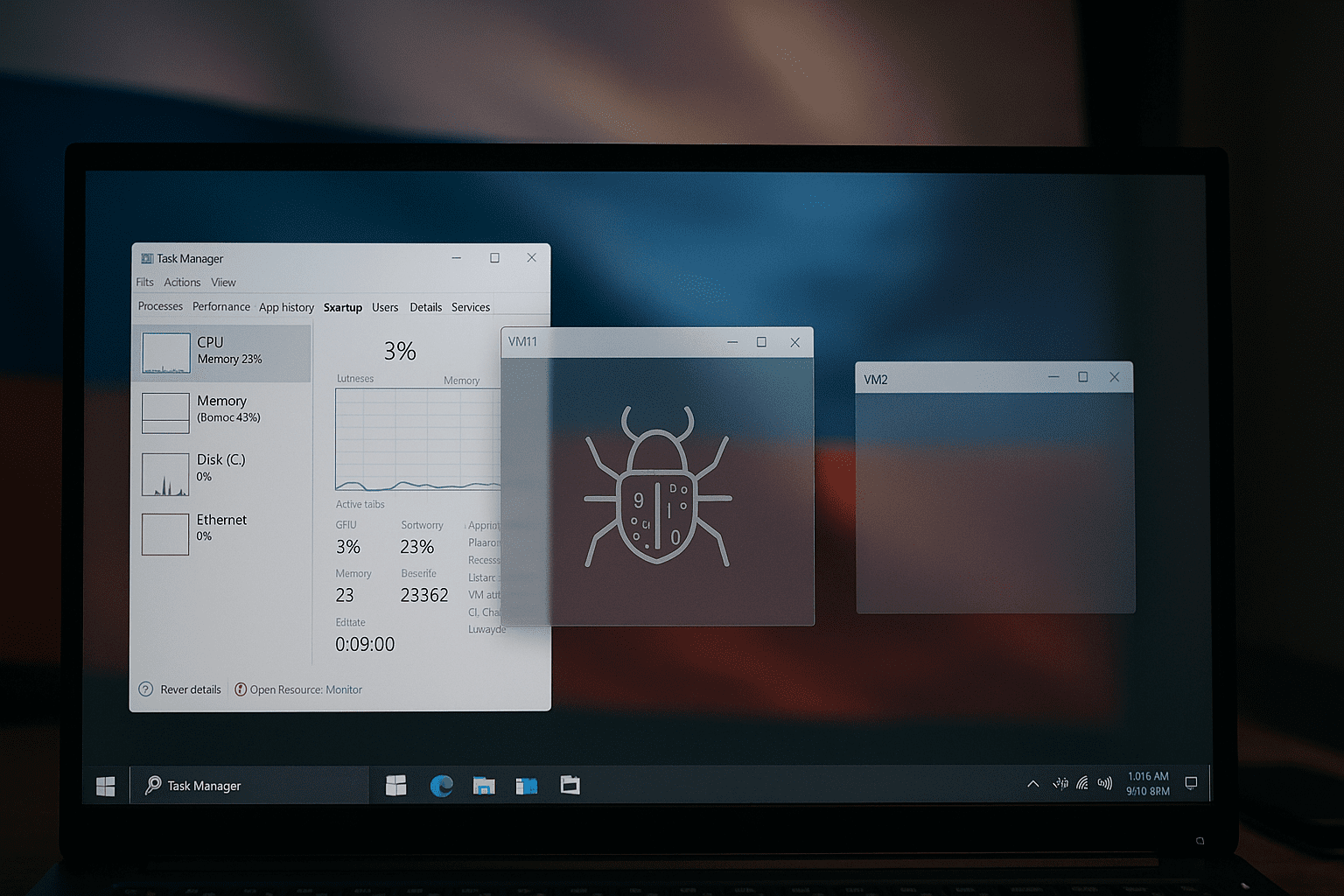
Researchers: Russian-linked group used Hyper-V to hide Alpine VM and bypass endpoint security
Bitdefender and Georgia CERT say Curly COMrades abused Hyper-V to run a hidden Alpine VM hosting custom implants CurlyShell and CurlCat, bypassing endpoint security and using host networking to mask malicious traffic; researchers published IoCs on GitHub.