Vulnerabilities
-
XWorm backdoor resurfaces with ransomware module and dozens of plugins
Researchers at Trellix told BleepingComputer that new XWorm variants 6.0, 6.4 and 6.5 are circulating in phishing campaigns, include more than 35 plugins and a ransomware module that encrypts user files and drops ransom instructions.

-
Zimbra zero-day reportedly used to target Brazilian military, report says
A stored cross-site scripting flaw in Zimbra Collaboration (CVE-2025-27915) was exploited in attacks that targeted the Brazilian military using malicious ICS calendar files, a StrikeReady Labs report said; Zimbra issued patches in January 2025.
-
Researchers report surge in scans targeting Palo Alto Networks login portals
GreyNoise reported a roughly 500% rise in IP addresses scanning Palo Alto Networks GlobalProtect and PAN-OS profiles, peaking at over 1,285 addresses on Oct. 3; GreyNoise classed most IPs as suspicious and also flagged separate Grafana exploitation attempts tied to CVE-2021-43798.
-
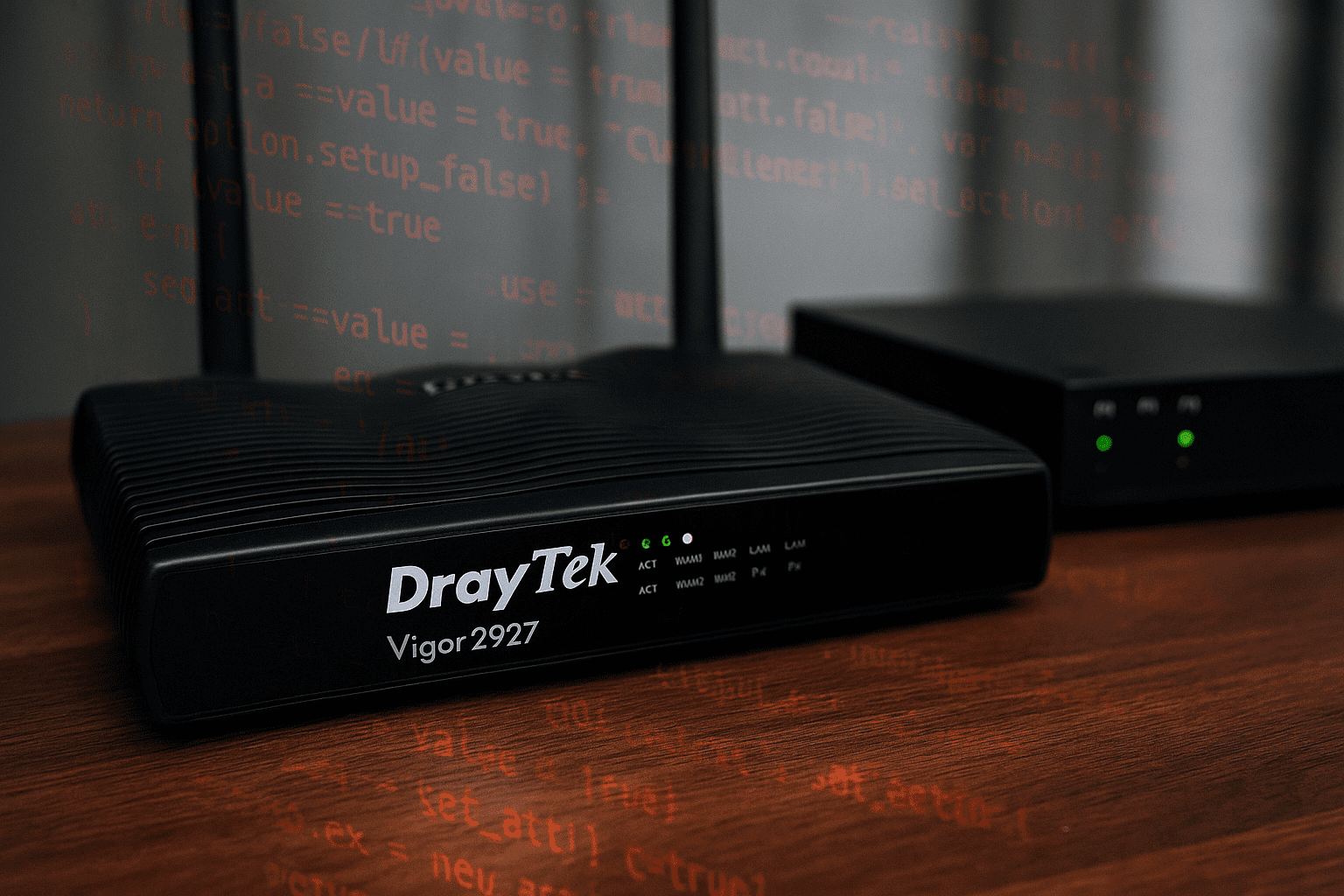
DrayTek warns of remote code execution bug in Vigor routers
DrayTek has warned that multiple Vigor router models are affected by CVE-2025-10547, an uninitialized stack vulnerability that can lead to memory corruption and, in some cases, remote code execution; firmware updates are available and administrators are urged to apply them.
-
Researchers Say YoLink Smart Hub Vulnerabilities Could Let Attackers Control Locks
Researchers at Bishop Fox have disclosed multiple vulnerabilities in the YoLink Smart Hub v0382 that can bypass authorization, expose credentials over unencrypted MQTT, and allow attackers to control devices including smart locks; the manufacturer has not yet issued a patch.
-
Malicious PyPI package ‘soopsocks’ acted as SOCKS5 proxy and Windows backdoor, researchers say
Researchers say a PyPI package called soopsocks posed as a SOCKS5 proxy but included Windows backdoor capabilities, downloaded 2,653 times before removal; analysis attributes reconnaissance, privilege elevation, firewall changes and data exfiltration to a compiled executable and accompanying scripts.
-
Adobe says Analytics ingestion bug caused some customers’ data to appear in other tenants
Adobe said an ingestion bug in Analytics Edge caused some organisations’ data to appear in other customers’ analytics instances between Sept. 17 and Sept. 18, 2025; Adobe is cleaning impacted datasets and a customer advisory seen by BleepingComputer instructs deletion of affected data and backups.
-
High-severity flaw in Red Hat OpenShift AI could allow full cluster takeover, vendor warns
Red Hat warned that a CVE-2025-10725 flaw in OpenShift AI, scored 9.9 by CVSS, could let a low-privileged authenticated user escalate to cluster administrator, enabling data theft, service disruption and full platform takeover; Red Hat and a Bugzilla report provided mitigation steps and urged urgent patching and investigation.
-
US Air Force investigating ‘privacy-related issue’ after alleged SharePoint notice
The Department of the Air Force is investigating a “privacy-related issue” after an alleged notice said USAF SharePoint permissions exposed PII and PHI and that SharePoint, Teams and Power BI might be blocked; officials have provided limited confirmation and Microsoft declined to comment.
-
New Android banking trojan Klopatra has infected more than 3,000 devices, Cleafy says
Cleafy said a new Android banking trojan called Klopatra has infected over 3,000 devices, mainly in Spain and Italy, using VNC remote control, dynamic overlays and abuse of Android accessibility services to steal credentials and perform fraudulent transfers.