GitHub
-
Researchers expose North Korean scheme to rent engineer identities for remote jobs
Security researchers say North Korean recruiters tied to Famous Chollima have been soliciting software engineers to rent their identities, using stolen identities, deepfakes and remote access to secure jobs at Western firms and route activity through compromised machines.

-
North Korean actors push 197 malicious packages to npm to deploy OtterCookie variant
Researchers say North Korean actors uploaded 197 malicious npm packages, downloaded over 31,000 times, to deploy an OtterCookie variant that evades sandboxes, establishes C2 access and steals credentials and crypto data; delivery used a Vercel URL and a now-unavailable GitHub account, and the campaign has also employed fake job-assessment lures to distribute Go-based backdoors.
-
Shai‑Hulud campaign trojanises hundreds of npm packages and leaks CI/CD secrets to GitHub
A renewed Shai‑Hulud campaign has published thousands of trojanised npm packages that steal developer and CI/CD secrets and post them to GitHub; researchers at Aikido and Wiz say the operation modified legitimate packages, used compromised maintainer accounts and is leaking secrets in automatically created GitHub repositories.
-
Astaroth banking trojan leverages GitHub to restore command-and-control, McAfee says
McAfee Labs reported that the Astaroth banking trojan campaign uses GitHub-hosted images with steganography to update configurations and maintain access after C2 takedowns; the campaign targets Brazil and other Latin American countries and is delivered via DocuSign-themed phishing emails.
-
Patched command injection in Figma MCP server could allow remote code execution, researchers say
A command injection bug in the figma-developer-mcp Model Context Protocol server, tracked as CVE-2025-53967 and scored 7.5, could allow remote code execution by interpolating unvalidated input into shell commands; the issue was fixed in version 0.6.3 and researchers recommend avoiding child_process.exec with untrusted data.
-
GitHub outlines changes to harden npm after self-replicating worm incident
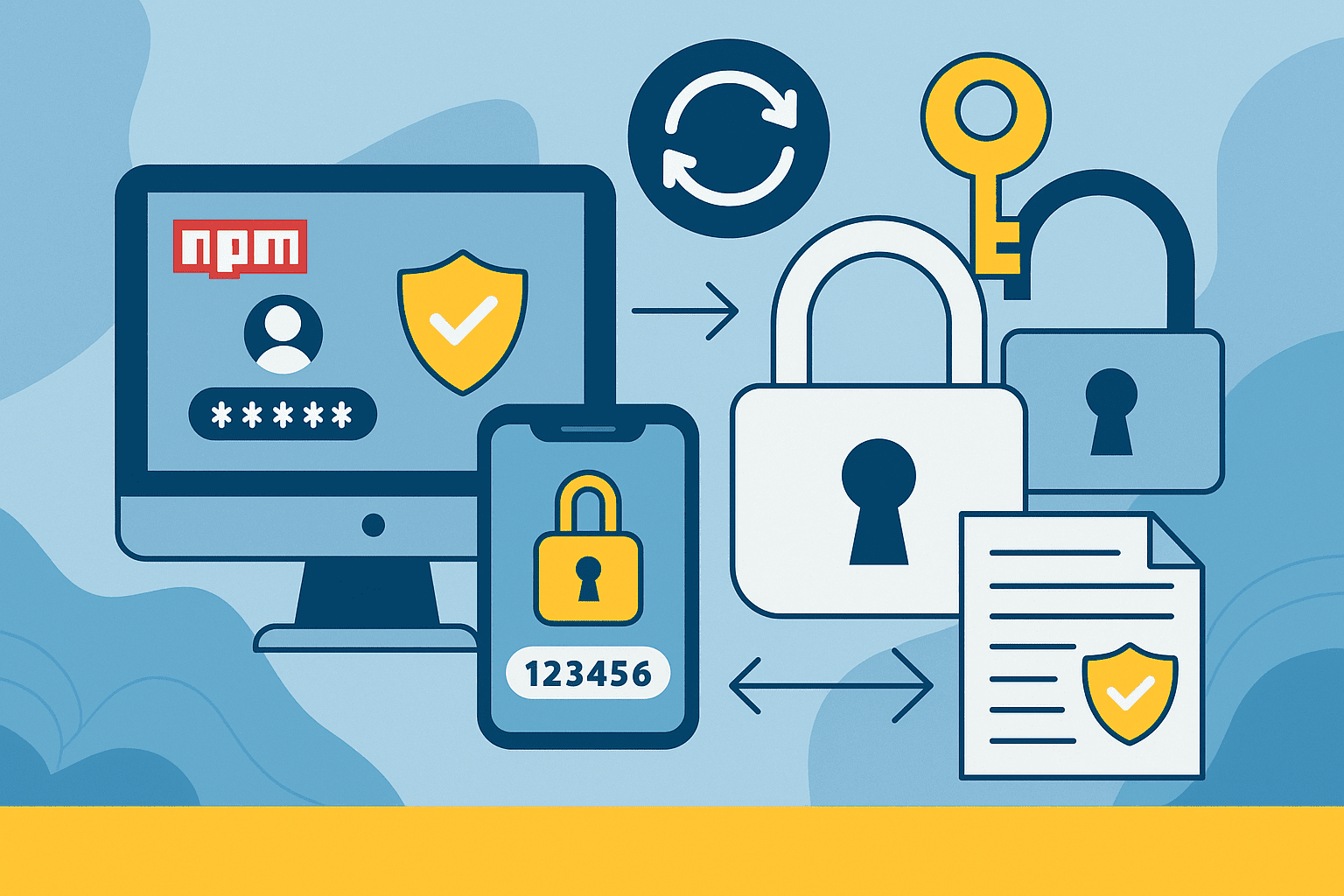
GitHub said a self-replicating “Shai-Hulud” worm compromised maintainer accounts and injected malicious post-install scripts into npm packages, and outlined changes including required 2FA, short-lived granular tokens and trusted publishing to harden npm’s supply chain.
-
GitHub Tightens npm Publishing Security with 2FA, Short-Lived Tokens and Trusted Publishing
GitHub announced a sweeping set of security measures for npm publishing, including deprecating legacy tokens, migrating to FIDO-based 2FA, and introducing seven-day, short-lived granular tokens plus trusted publishing that uses OpenID Connect and cryptographic provenance attestations to bolster npm’s supply-chain security.
-
Mac ad campaign impersonating brands pushes macOS credential stealer, LastPass warns
Security researchers warn of a malvertising campaign that uses search ads to impersonate LastPass and other services, delivering the Atomic Stealer/Amos Stealer on macOS via fraudulent GitHub pages; LastPass says takedowns are underway and IoCs are shared.
-
HybridPetya ransomware emerges with UEFI Secure Boot bypass, encrypts MFT and demands Bitcoin ransom
A new ransomware strain named HybridPetya has been identified by ESET, combining traits of Petya/NotPetya with a UEFI Secure Boot bypass. The threat encrypts the Master File Table on NTFS partitions via a bootkit installed on the EFI System Partition, and demands Bitcoin ransom while offering a decryption mechanism contingent on payment. Researchers warn that…
-
Malicious Go module masquerades as SSH brute-forcer, exfiltrates credentials via Telegram bot, researchers say
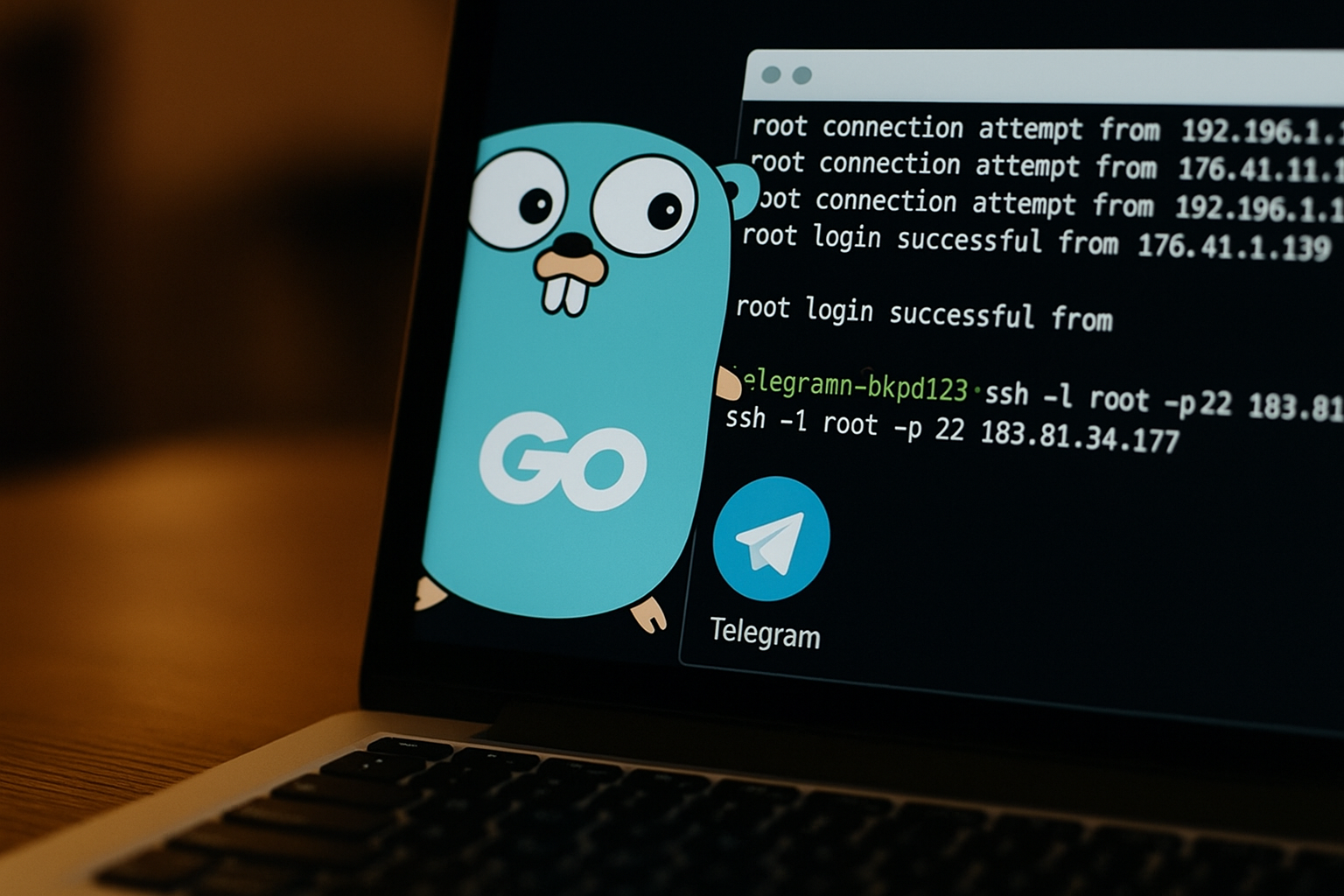
Security researchers have identified a malicious Go module masquerading as an SSH brute-force tool that quietly exfiltrates credentials to a threat actor via Telegram. The module, golang-random-ip-ssh-bruteforce, targets random SSH services, disables host key verification, and relays harvested data to a Telegram bot, highlighting ongoing software supply chain and credential theft risks.