OS command injection
-
CISA flags LiteLLM flaw as exploited in the wild
CISA said a high-severity LiteLLM command injection flaw is being actively exploited. The bug can let authenticated users run commands on the host, and researchers warned it may be chained with a Starlette issue for unauthenticated access.

-
CISA adds FileZen OS command injection CVE-2026-25108 to Known Exploited Vulnerabilities
CISA added FileZen CVE-2026-25108 to its Known Exploited Vulnerabilities catalog after evidence of active exploitation. The OS command injection affects specified versions and requires updating to 5.0.11 or later before March 17, 2026.
-
Command injection in legacy D-Link DSL routers tracked as CVE-2026-0625 and actively exploited
A security advisory warns of an active command injection vulnerability, CVE-2026-0625, in several end-of-life D-Link DSL routers. Vendors recommend retiring affected models and replacing them with supported devices.
-
JPCERT/CC confirms active exploitation of command injection in Array AG gateways
JPCERT/CC says a command injection vulnerability in Array Networks AG Series gateways has been exploited since August 2025 to drop web shells; Array fixed the flaw in May and users are urged to apply ArrayOS 9.4.5.9 or disable DesktopDirect and block semicolon-containing URLs if they cannot patch immediately.
-
Critical command injection flaw found in W3 Total Cache WordPress plugin
A critical unauthenticated command injection in the W3 Total Cache WordPress plugin (CVE-2025-9501) can allow PHP code execution via a malicious comment. The developer issued a patch in version 2.8.13 on Oct. 20, but hundreds of thousands of sites may still be unpatched; WPScan plans to publish a proof-of-concept on Nov. 24.
-
Fortinet warns of FortiWeb OS command injection flaw CVE-2025-58034 exploited in the wild
Fortinet warned that CVE-2025-58034, a medium-severity OS command injection in FortiWeb with a CVSS score of 6.7, has been exploited in the wild; patches are available in specific FortiWeb releases and the company credited a Trend Micro researcher for the report.
-
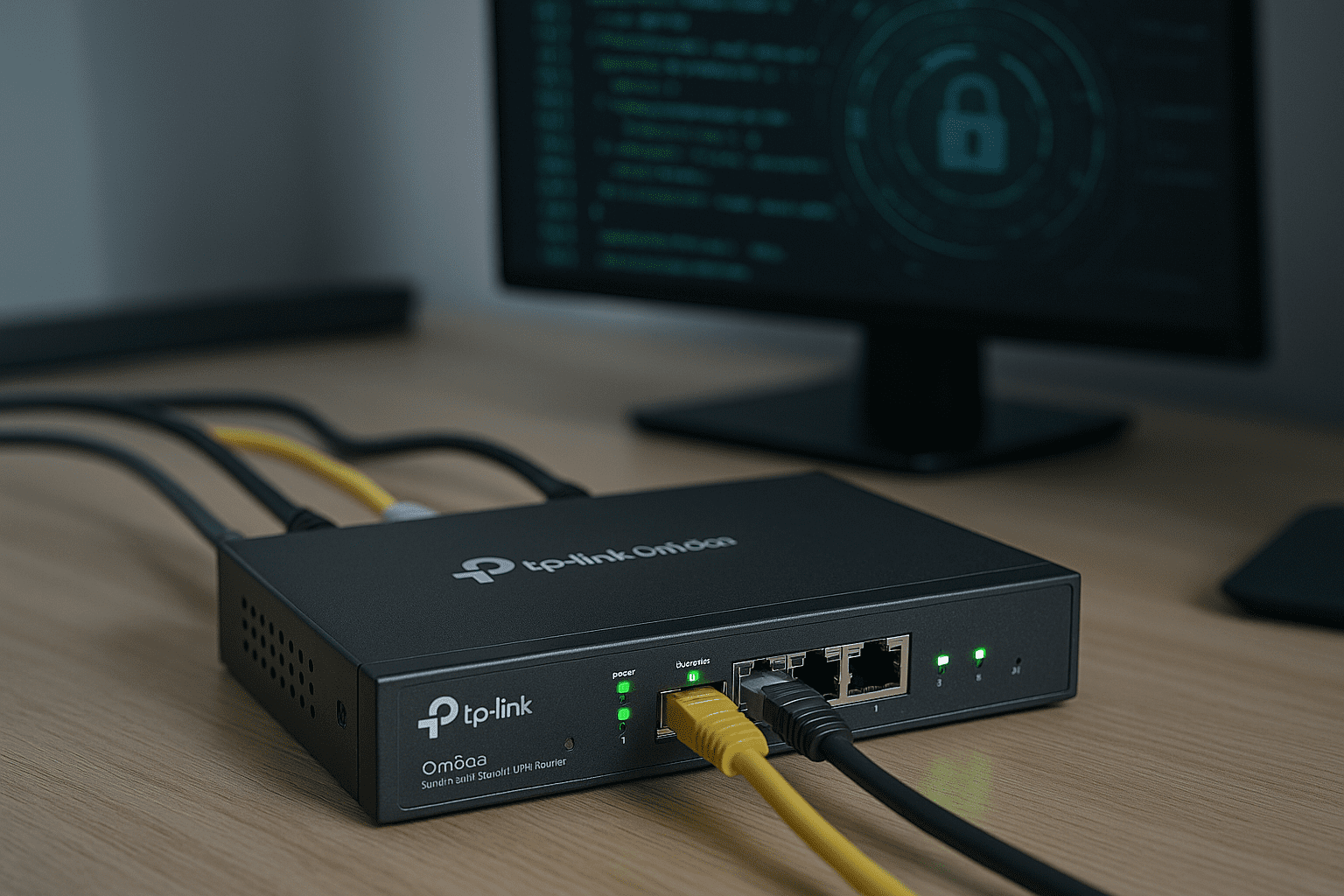
TP-Link issues firmware updates for Omada gateways to fix four vulnerabilities, including two critical bugs
TP-Link released firmware updates for Omada gateway devices to fix four vulnerabilities, including two critical command injection flaws; users are advised to apply updates and verify device configurations.
-
Patched command injection in Figma MCP server could allow remote code execution, researchers say
A command injection bug in the figma-developer-mcp Model Context Protocol server, tracked as CVE-2025-53967 and scored 7.5, could allow remote code execution by interpolating unvalidated input into shell commands; the issue was fixed in version 0.6.3 and researchers recommend avoiding child_process.exec with untrusted data.
-
State-backed hackers exploited Libraesva ESG flaw; vendor issues urgent patch
Libraesva disclosed a state-sponsored exploitation of a vulnerability in its Email Security Gateway (ESG), tracked as CVE-2025-59689. The flaw, a command injection triggered by specially crafted compressed attachments, affects ESG versions 4.5 through 5.5.x before 5.5.7. Patches are available, and end-of-support for older builds mandates manual upgrades.
-
Fortra patches critical GoAnywhere MFT flaw; admins urged to restrict internet exposure of Admin Console
Fortra has issued patches for a critical GoAnywhere MFT vulnerability (CVE-2025-10035) that could enable remote command injection via deserialization. The company urges administrators to secure Admin Console access and apply the latest updates, as Shadowserver tracks hundreds of GoAnywhere instances and exposure continues to be a concern.